Elmah Font: A Handwritten Touch for Modern Design
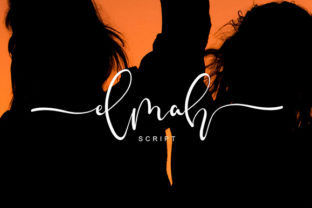
There I was, staring at a blank brand board, trying to figure out how to make a new café identity feel fresh and inviting. The client wanted something warm, approachable, and a little bit whimsical. After a few rounds of testing different typefaces, I landed on Elmah. It wasn’t the first font I tried, but it was the one that made the whole concept feel more alive. As a script handwritten font, Elmah has this light and lovely feel that instantly elevates any design idea.
Elmah for Boutique Branding and Creative Identity Projects
Elmah is perfect for boutique branding projects where personality and authenticity matter. Whether you're working on a skincare product line or a handmade shop, this font adds a human touch that feels genuine. Its soft curves and gentle strokes make it ideal for logos, headers, and visual elements that need to feel personal. In my experience, it works especially well when paired with clean, modern layouts that let the font stand out without overwhelming the design.
When I tested Elmah on a logo draft, I noticed how it balanced elegance with a casual vibe. It didn’t feel too ornate or too plain, which makes it versatile for a range of creative applications. For a brand board, it added a sense of warmth that other fonts often lack. It’s not just a font—it’s a mood booster for your design work.
Elmah for Packaging Design and Product Labels
One of the most rewarding parts of using Elmah was seeing it on a packaging mockup. The font’s organic flow gave the product labels a handcrafted feel that resonated with the brand’s story. Whether it was a bakery box or a small-batch soap label, Elmah brought a sense of care and attention to detail that felt authentic.
It also worked well in smaller sizes, as long as the text wasn’t too dense. On a business card or a product tag, it maintained its clarity and charm. However, I’d caution against using it for long body text or in situations where readability is critical. It’s best suited for headlines, short phrases, and accents rather than full paragraphs.
Elmah for Social Media Graphics and Web Headers
Elmah shines in digital spaces too, especially when used as a web header or social media graphic. On a website, it can be a great choice for hero sections or call-to-action buttons. Its fluid style adds a dynamic energy that stands out from more rigid typefaces.
I found it particularly effective in Instagram posts for a local restaurant. The font added a friendly, approachable tone that matched the brand’s personality. It worked well alongside a bold sans serif for contrast, creating a balanced visual hierarchy without clashing.
Elmah for Logo Design and Brand Consistency
As a logo font, Elmah offers a unique blend of sophistication and informality. It’s not the kind of font you’d use for a corporate law firm, but it’s perfect for creative studios, artisanal brands, or lifestyle businesses. Its subtle variations in stroke weight and letterforms give it a natural, hand-drawn quality that feels more like an artwork than a generic typeface.
When building a brand identity, consistency is key. Elmah helps maintain a cohesive look across different assets, from business cards to signage. It’s also useful for creating visual rhythm in a design system, especially when paired with a complementary serif or sans serif font.
Elmah for Editorial Design and Print Materials
In editorial design, Elmah can add a personal touch to everything from magazine covers to flyers. Its flowing lines and delicate details make it ideal for headings, subheadings, and pull quotes. It gives a layout a more curated, thoughtful feel that can elevate the overall aesthetic.
For printed materials like posters or brochures, it’s important to test the font at different sizes and in various lighting conditions. While it looks great in larger formats, it may lose some clarity in smaller print runs. That said, when used appropriately, it can make a strong visual statement that captures attention and conveys emotion.